Garden Lighting Ideas
Beautiful outdoor lighting to transform your space
Garden Lighting Ideas
Beautiful outdoor lighting to transform your space
Planning your dream wedding shouldn't feel like a daunting task. Discover the ultimate checklist that ensures every moment of your celebration sparkles with joy and love, leaving you free to savor your special day.
Planning a wedding can feel a bit like climbing a mountain. You’re excited at the top, but the journey can be overwhelming. That’s why I created this comprehensive wedding planning checklist! I want to help you navigate through all the steps, ensuring you don’t miss a beat as you prepare for your big day.
If you’re engaged and ready to dive into wedding planning, this guide is for you. You might be feeling a mix of joy and anxiety about organizing everything, from the budget to the guest list. Don’t worry—you’re not alone! Many couples share this experience, and they want a clear path to follow.
In this post, you’ll find everything you need for a flawless celebration. This checklist is packed with essential steps, tips, and guidance to keep you organized. Whether you’re just starting to plan or you’re already deep in the process, these insights will help you create the wedding of your dreams. Let’s simplify your planning and make it enjoyable!
– Begin by setting a budget to help manage your spending and prioritize what matters most to you.
– Create a guest list early on to understand your venue needs and cater to everyone important in your lives.
– Choosing a venue is crucial; it sets the tone for your wedding and should align with your theme and guest count.
– Book your vendors, such as photographers and caterers, as soon as possible to ensure availability and get the best options.
– Don’t forget to finalize a timeline for your day, helping everyone know where to be and when, leading to a stress-free celebration.
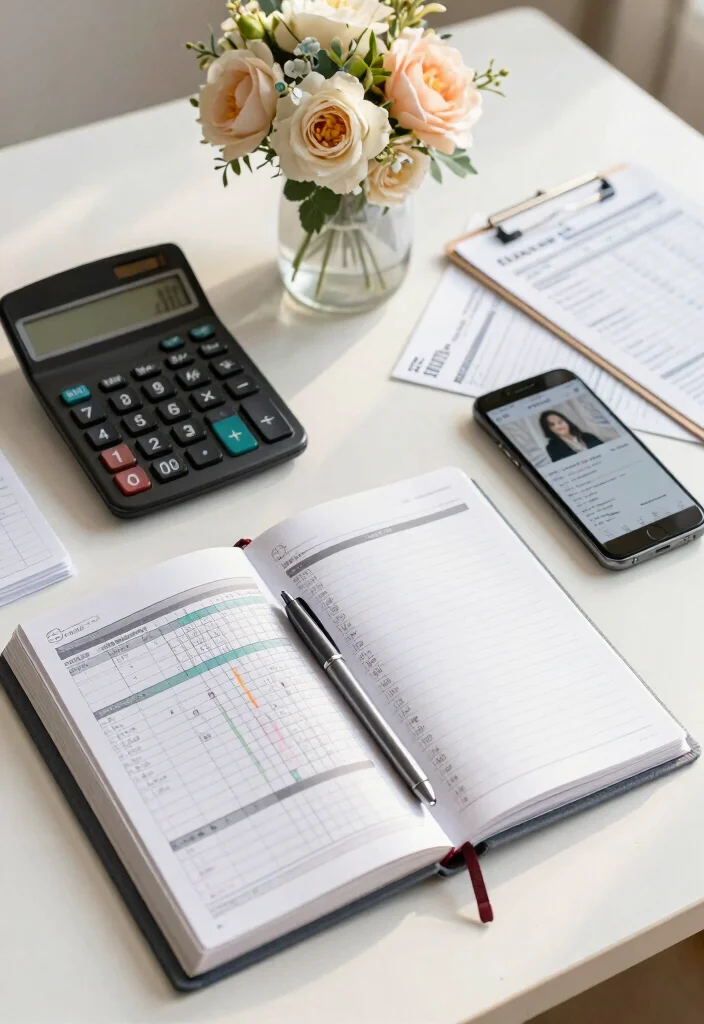
Starting your wedding planning journey with a solid budget is key to success. Understanding your financial limits helps you prioritize and make informed choices as you move forward. Sit down with your partner to discuss how much you both feel comfortable spending, and be open about your financial situation.
Include all potential expenses, such as venue, catering, attire, and entertainment. It’s smart to set aside a little extra for any unexpected costs. Use budgeting apps to simplify tracking your expenses and keep everything organized.
Budgeting Tips:
– List all potential costs: Include every detail to avoid surprises.
– Prioritize: Focus on what matters most to you as a couple.
– Monitor expenses: Regularly check your budget to stay on track.
– Negotiate: Don’t be afraid to ask vendors for better deals.
By clearly mapping out your budget, you’ll pave the way for a stress-free wedding planning experience.
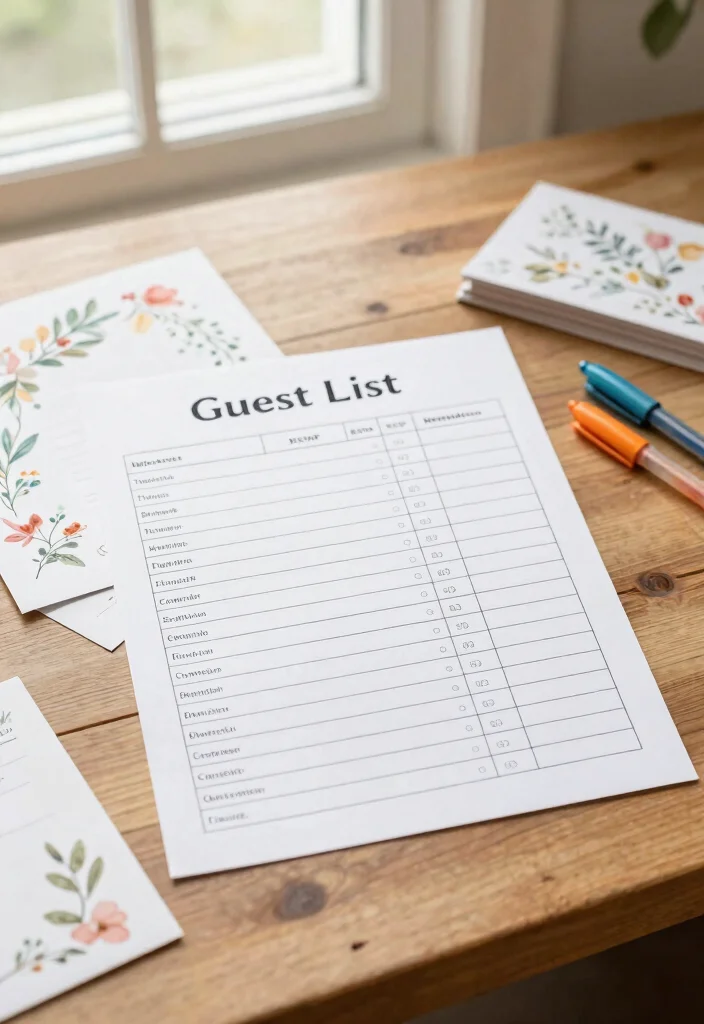
Creating your guest list is one of the most exciting yet challenging parts of wedding planning. This list not only influences your budget but also affects the atmosphere of your big day. Start with a brainstorming session to jot down everyone you want to invite, then refine it based on your venue capacity and budget considerations.
Communicate openly with your partner and families to ensure everyone feels included. This collaboration can lead to a more balanced guest list, making your day even more special.
Guest List Tips:
– Categorize your guests: Organize into groups like ‘Family,’ ‘Friends,’ and ‘Work.’
– Use online tools: Platforms like Google Sheets simplify managing your list.
– Be firm with numbers: Stick to your venue limits to maintain comfort.
– Consider plus-ones: Decide if guests can bring a partner.
With a well-organized guest list, you’ll gain clarity on seating arrangements and catering needs.
Fun fact: about 15%–20% of invited guests typically can’t attend a wedding. As part of your wedding planning checklist, start with a bigger brainstorm, then narrow by venue capacity and budget. Keep the convo open with partners and families to balance the guest list and protect the day’s vibe.
Editor’s Choice




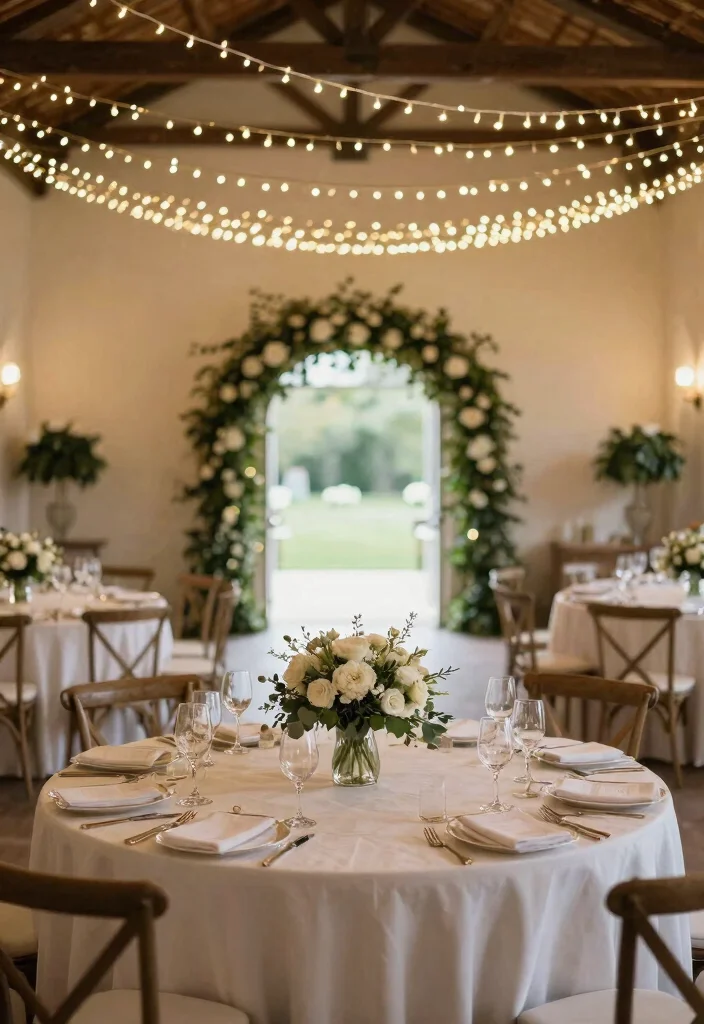
Selecting the right venue is a crucial step in your wedding planning journey. The venue sets the mood for your celebration, so it’s vital to find a location that matches your style and can accommodate your guest list. Start by choosing between an indoor or outdoor setting, considering factors like weather and accessibility for your guests.
Once you have a few options, visit each space to get a feel for its ambiance. Inquire about package deals that might include catering or decor to save time and money.
Venue Selection Tips:
– Visit multiple venues: Compare spaces to find the best fit.
– Check availability early: Popular venues book up fast, so act quickly.
– Ask about restrictions: Know any rules about decor and timing.
– Consider logistics: Ensure there’s ample parking and accessibility for all.
Finding the perfect venue will greatly enhance your wedding’s overall experience.
Editor’s Choice



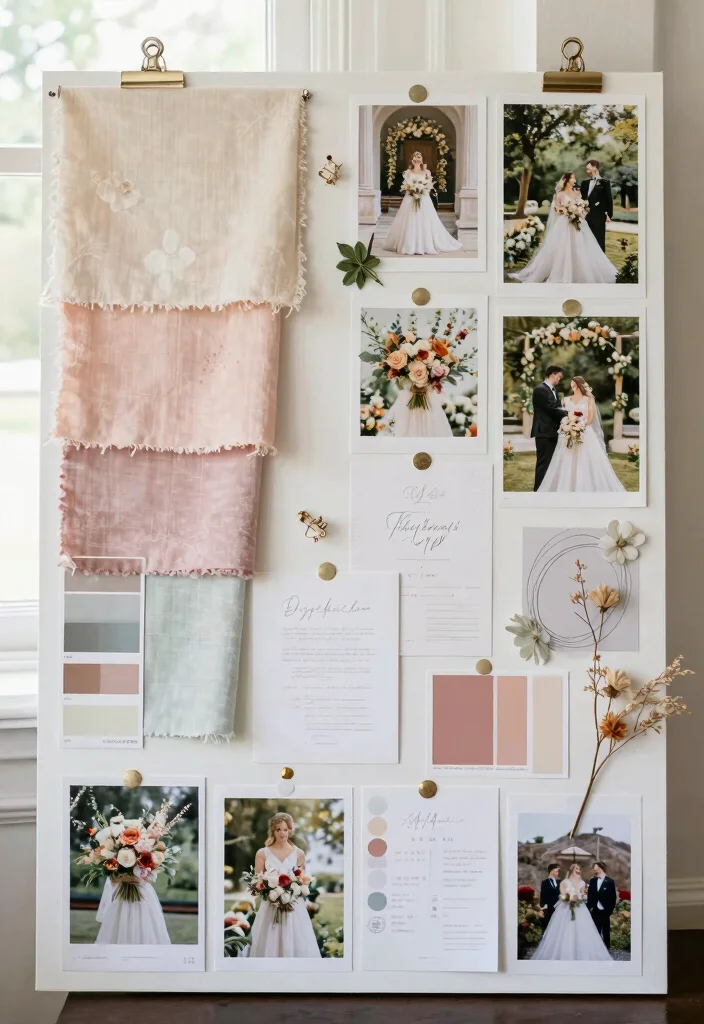
Choosing a wedding theme can be one of the most enjoyable parts of planning. Your theme influences your color choices, decorations, and even attire, so it’s important to select one that resonates with you both. Gather inspiration from Pinterest or wedding magazines, and create a vision board to visualize your ideas.
This will guide your decisions as you continue planning, ensuring all elements align with your chosen theme.
Theme Selection Tips:
– Stay cohesive: Keep all aspects of your wedding consistent with your theme.
– Reflect your personalities: Choose a theme that represents you as a couple.
– Don’t overdo it: A few key themed items can create a big impact.
– Incorporate personal touches: Add elements that tell your love story.
A well-defined theme will make your wedding unforgettable for you and your guests.
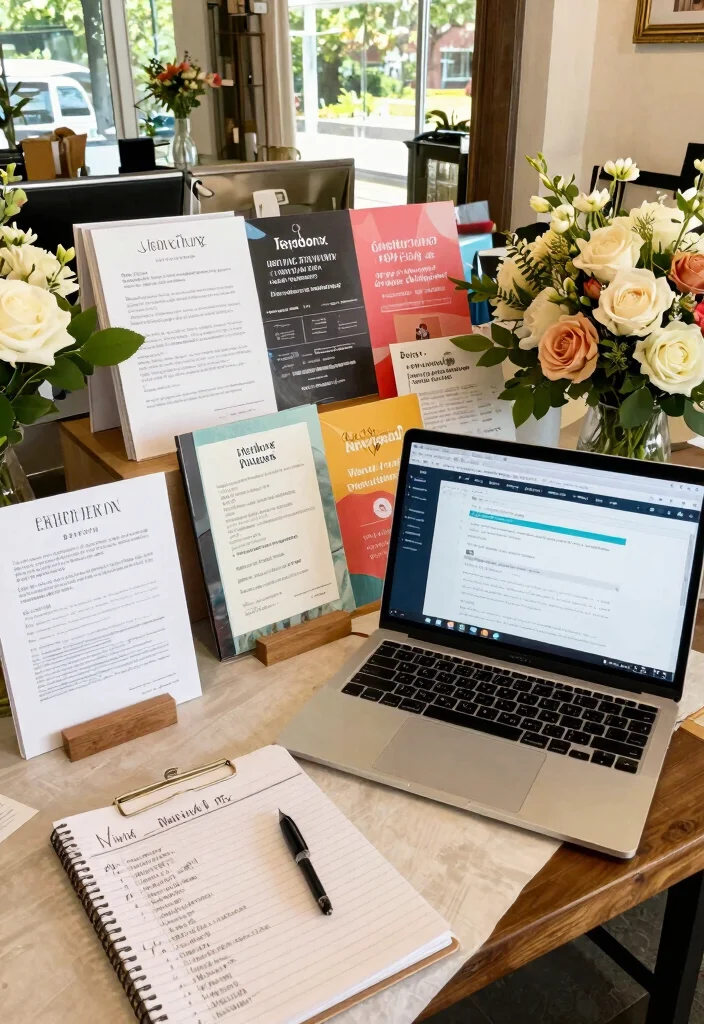
Now that you have your venue and theme, it’s time to secure your vendors, a vital step in your wedding planning checklist. From caterers to photographers, the right choices will bring your vision to life. Start by listing all the services you need, such as catering and entertainment, to stay organized.
Research local vendors that fit your style and budget. Read reviews and request quotes to make well-informed decisions. Don’t hesitate to meet with potential vendors to discuss your vision and clarify any questions.
Vendor Booking Tips:
– Start early: Popular vendors fill up quickly, so don’t wait.
– Check for packages: Many offer bundled services for savings.
– Get everything in writing: Document agreements to avoid surprises.
– Trust your gut: Choose vendors you feel comfortable with.
Choosing the right vendors will help everything run smoothly on your special day.
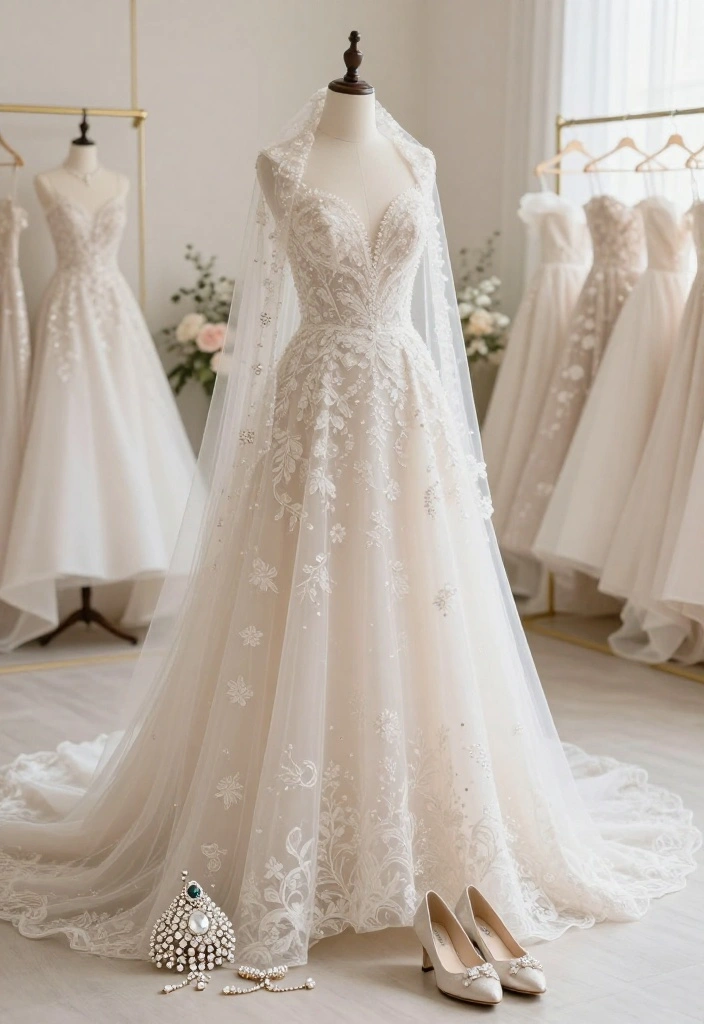
Your wedding attire is a deeply personal choice, making it a key focus in your planning. Start by selecting the style of your gown or suit that aligns with your overall theme. Schedule fittings early, as alterations may take longer than expected.
Don’t forget about the accessories that complete your look, including shoes, jewelry, and veils. Also, coordinate the bridal party’s attire for a unified appearance.
Attire Tips:
– Explore different styles: Visit various shops to try on diverse silhouettes.
– Set a budget for attire: Remember that accessories and alterations can add up.
– Involve your bridal party: Get their input for a cohesive style.
– Plan for comfort: Ensure your outfit is suitable for a long day.
Choosing your attire should be a joyful experience. You want to feel confident and beautiful on your special day.
Your wedding attire should feel like you—start by choosing a gown or suit that fits your theme, and use wedding planning checklist to pace fittings early. Don’t overlook shoes, jewelry, and veils, and coordinate the bridal party for a unified look. Pro tip: shop different styles to find what fits.
Editor’s Choice




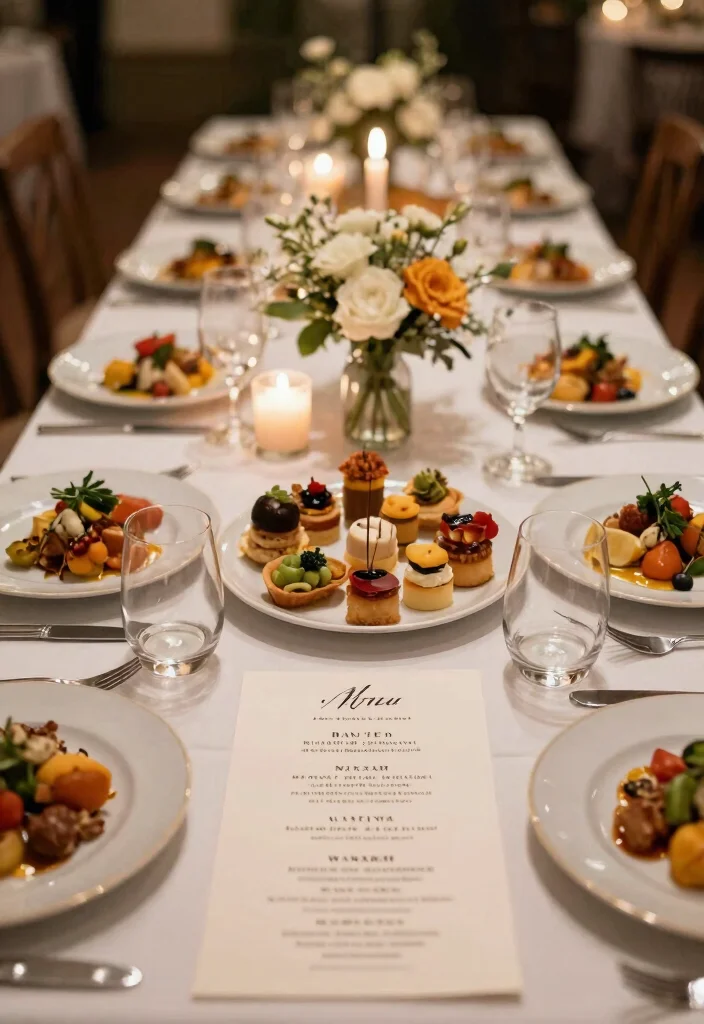
Food is a vital element of any wedding, making menu selection a significant part of your planning. The meal should reflect your tastes while considering your guests’ preferences. Decide if you prefer a seated dinner, buffet, or food stations to set the right atmosphere.
Work closely with your caterer to craft a menu that delights everyone. Be sure to include options for guests with dietary restrictions, like vegetarian or gluten-free dishes.
Menu Tips:
– Taste tests: Schedule tastings to ensure food meets your expectations.
– Kid-friendly options: Include selections for younger guests.
– Signature cocktails: Create unique drinks that represent you as a couple.
– Dessert choices: Don’t overlook cake and dessert options that fit your theme.
A thoughtfully planned menu will impress your guests and keep them talking about the delicious food long after the celebration.
Fun fact: 70% of couples finalize their menu after a tasting, cutting last-minute stress by half. On your wedding planning checklist, tailor dishes for tastes and dietary needs, and choose seated, buffet, or stations to set the vibe.
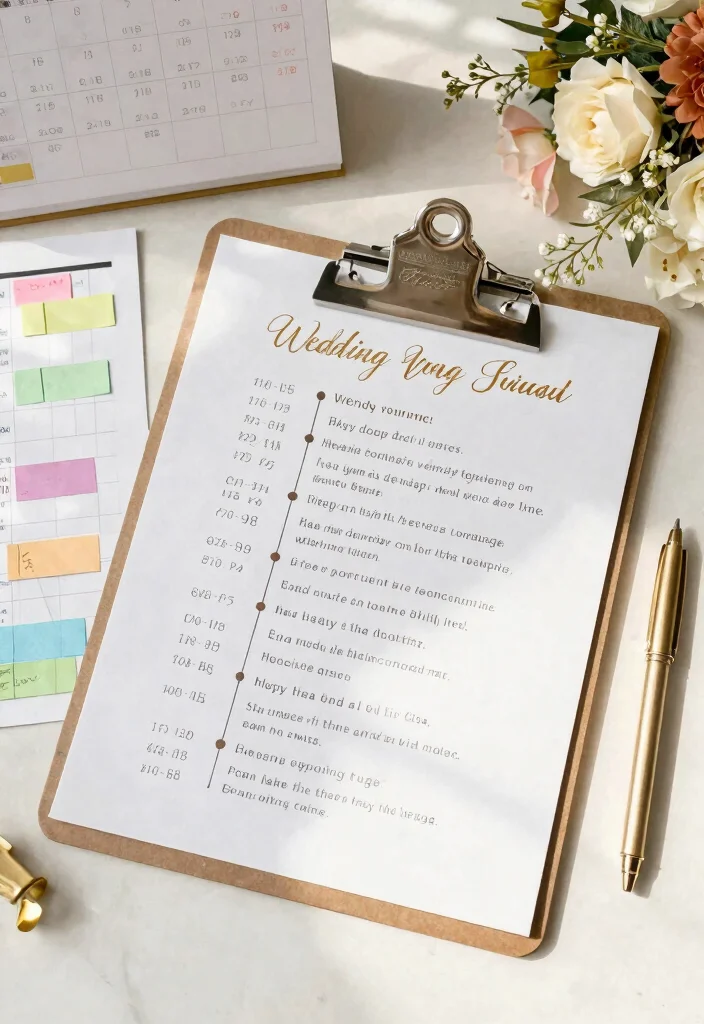
As your wedding day approaches, a detailed timeline becomes essential for smooth coordination. An organized schedule will help you manage vendors, the bridal party, and guests effectively. Draft a timeline that includes all key moments, like the ceremony and reception events, and share it with your vendors.
Communicate this timeline with your bridal party so they are aware of their roles and responsibilities on the big day.
Timeline Tips:
– Be specific: Include exact times for each event to ensure smooth transitions.
– Build in flexibility: Allow buffer time for any unexpected delays.
– Rehearsal dinner: Plan a practice run to familiarize everyone with timing.
– Delegate: Assign a trusted friend or family member to manage the timeline on your wedding day.
By keeping everyone informed of the timeline, you’ll reduce stress and create a joyful experience for all involved.
Editor’s Choice


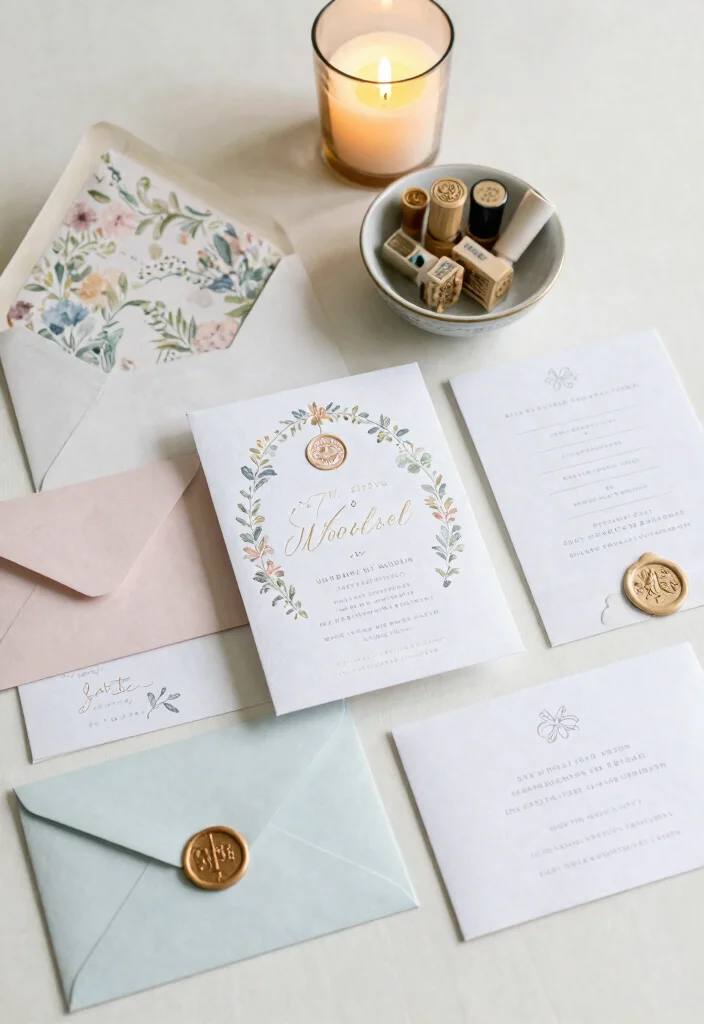
Once your guest list is set and other details are in place, it’s time to send out invitations. This step is crucial in your planning checklist, as it formally invites your loved ones to celebrate with you. Choose designs that reflect your wedding theme and personal style, and don’t forget essential details like date, time, and location.
Consider sending save-the-dates if your wedding is a destination event or if you have a longer engagement, giving guests ample time to plan.
Invitation Tips:
– Choose quality materials: High-quality paper and fonts make a lasting impression.
– Personalization: Add unique touches, like custom illustrations or special envelopes.
– Mail early: Send invitations at least six to eight weeks before the wedding.
– Digital invites: Consider electronic options for quick notifications, especially for last-minute updates.
With beautifully crafted invitations, you’ll set the tone for your special day and build excitement among your guests.
Editor’s Choice




Planning your wedding can feel overwhelming, especially when it comes to managing your budget. A detailed cost breakdown can help you stay on track. Here’s a comprehensive guide to help you navigate through your spending and make informed choices.
Cost Breakdown by Category:
– Materials/Products: £2,000 – £10,000
This includes everything from wedding dresses and suits to flowers and decorations. Prioritize quality where it counts, but shop around for deals to stick to your budget.
– Tools/Equipment: £300 – £1,500
Renting items like chairs, tables, and sound systems can add up. Compare rental companies to find the best prices.
– Labor/Professional Installation: £1,000 – £5,000
This covers costs for photographers, caterers, and planners. Hiring professionals can elevate your wedding, but make sure to get quotes from multiple vendors.
– Optional Extras: £500 – £3,000
This includes items like photo booths, favors, or live entertainment. Consider what will enhance your day without breaking the bank.
Budget Tier Breakdown:
Basic Economy Tier £/€/$
– What’s included: Minimum viable options like a simple venue, basic catering, and no-frills decorations.
– Good for: Couples on a tight budget who still want to celebrate their love.
– Limitations: You might miss out on luxury elements, like a professional photographer or elaborate themes.
Mid-Range Tier ££/€€/$$
– What’s included: A balanced option with a nice venue, decent food, and some personal touches like a floral arrangement.
– Good for: Couples looking for a memorable day without overspending.
– Best value for: Most people who want a nice celebration but still watch their finances.
Premium Tier £££/€€€/$$$
– What’s included: All features like a top-tier venue, gourmet catering, and professional photography.
– Good for: Couples who want to go all out for their special day.
– Worth it if: You have a larger budget and want a truly unforgettable experience.
Money-Saving Tips:
– Buy items like decorations or favors in bulk. This can save you a lot of money compared to buying individually.
– Consider having your wedding during the off-peak season. Venues often have lower rates in winter or on weekdays.
– DIY where possible. Handmade decorations or personal touches can add charm and save on costs.
– Limit your guest list. Fewer guests mean lower costs for catering and venue space.
Where to Splurge:
– Photography: You’ll want to capture every moment of your day. Investing in a good photographer ensures you have beautiful memories that last a lifetime.
– Catering: Good food makes a big impact on your guests’ experience. Splurging on quality catering can really enhance your celebration and leave a lasting impression.
By breaking down your budget with these categories and tiers, you can create a clear plan. Keep in mind your priorities and be willing to adjust as needed. The right balance between quality and budget will ensure you have a wonderful celebration without financial stress. Happy planning!
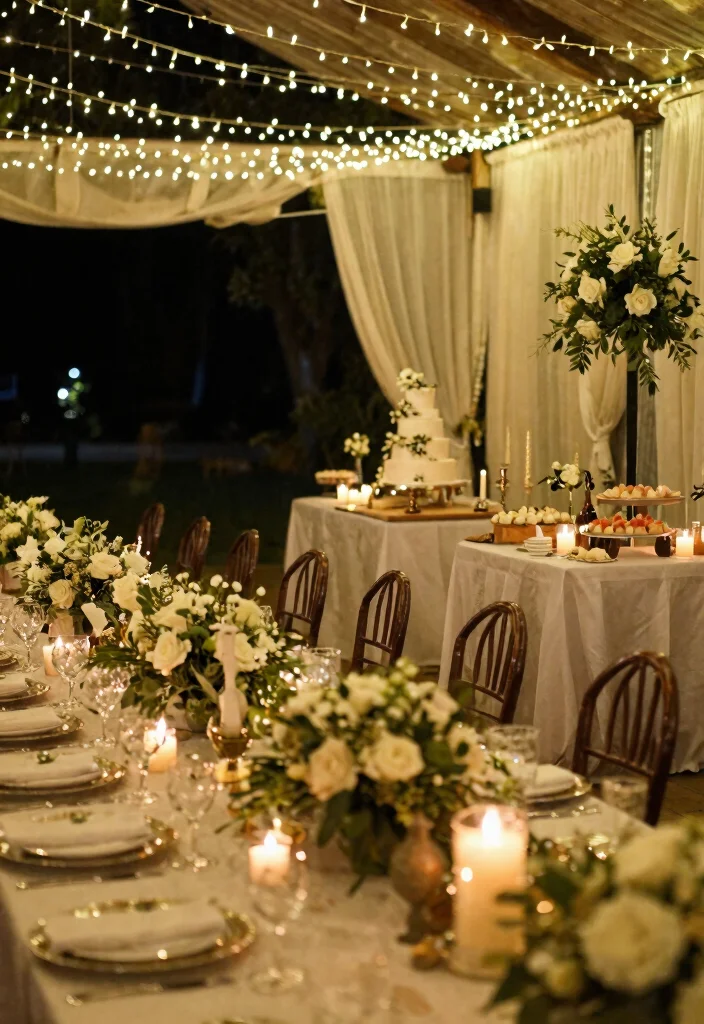
Finally, as your wedding day arrives, the most important task is to simply enjoy every moment! All your planning has led to this beautiful occasion, so take a deep breath and celebrate your love. Trust the team of vendors you’ve chosen, and don’t stress about minor details that might not go perfectly – these often become cherished memories.
Allow your friends and family to share in your joy, and take time to soak in the love that surrounds you.
Day-of Tips:
– Stay present: Embrace each moment and don’t rush through the day.
– Take breaks: Steal quiet moments with your partner to appreciate everything.
– Delegate: Have someone handle minor issues that may arise.
– Capture memories: Ensure your photographer captures both planned and candid moments.
By focusing on the joy of the occasion, your wedding day will become a celebration to cherish forever.

With the essential wedding planning checklist in hand, you’re well-equipped to navigate one of the most significant adventures of your life. Planning your dream wedding doesn’t have to feel overwhelming; just take it one step at a time. As you check off each task, you’ll get closer to creating a memorable celebration filled with love and joy.
May your wedding day be everything you’ve ever dreamed of, and don’t forget to cherish each moment along the way!
Note: We aim to provide accurate product links, but some may occasionally expire or become unavailable. If this happens, please search directly on Amazon for the product or a suitable alternative.
This post contains Amazon affiliate links, meaning we may earn a small commission if you purchase through our links, at no extra cost to you.
A wedding planning checklist is your practical guide to staying organized, tracking tasks, and hitting milestones for your celebration. It helps you cover the essential elements like budget, venue, guest list, vendors, invitations, and day-of timing.
Using it reduces last-minute stress and keeps your entire plan on track from start to finish. Plus, it makes coordination with your partner and vendors smoother.
Ideally start as soon as you have a date and a rough vision for your wedding. A good wedding planning checklist helps you manage these phases from day one. For many couples, 12-18 months gives you time to lock in key venues and vendors.
Break the checklist into phases: planning (12-18 months), design (6-9 months), and final details (1-2 months). This guide keeps you organized and reduces stress.
Typical sections include budget and payments, guest list and invitations, date and venue, vendors and contracts (catering, photography, florals, entertainment), décor and design, attire and fittings, timelines and day-of schedule, RSVPs, accommodations, and contingency plans for weather or delays. These essential parts cover the must-dos, and you can tailor them to your style.
Turn the general wedding planning checklist into your own personalized guide. Start by naming your top priorities, such as venue, cuisine, or photographer. Allocate your budget by category, leaving a cushion for surprises. Use color coding or tags to mark status and deadlines, and share a live version with your partner and vendors so everyone stays aligned. The checklist should feel essential to your plans and evolve with you.
Common pitfalls include under budgeting, underestimating guest count, forgetting vendor confirmations, and not building a realistic timeline. Weather risks and day-of coordination are also easy to overlook. Avoid these by adding a healthy budget buffer, updating the guest list as plans change, scheduling regular vendor check-ins, creating a detailed day-of timeline, and having a clear backup plan. Keep a single source of truth with a shared online checklist to stay aligned.
wedding planning checklist
essential guide
budget wedding
destination wedding
wedding themes
beginner friendly
seasonal weddings
wedding timeline
DIY wedding ideas
flawless celebration
wedding vendors
event planning tips

